How Data-Driven Marketing Can Actually Grow Your Business
09 Dec, 2025 10:36 AM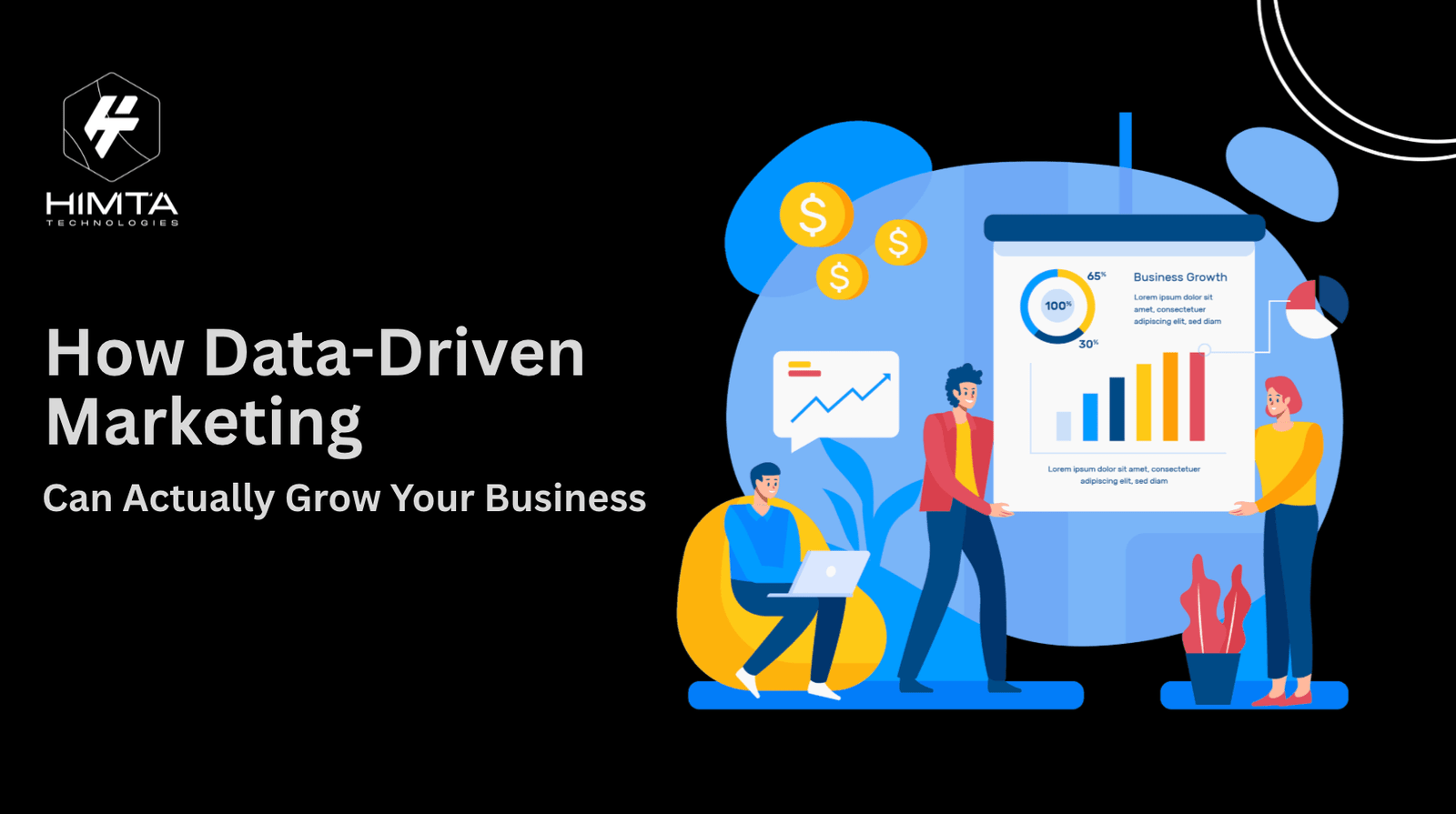
If you're running a business in 2025, you've probably heard phrases like "data-driven marketing" thrown around. Maybe you've nodded along in meetings while secretly thinking, "What does that actually mean for my business?"
Here's the truth: you don't need a marketing degree to understand this. And more importantly, you don't need to become a tech expert to make it work for you.
Let me break it down in a way that actually makes sense.
What's Really Happening in Business Right Now
Think about how you shop online. You browse a website, maybe add something to your cart, get distracted, and leave. An hour later, you see an ad for that exact product on Facebook. The next day, you get an email reminding you about it.
That's not magic—it's data-driven marketing.
Your customers are doing the same thing with your business. They're leaving clues everywhere: what pages they visit, what they click on, what makes them leave your website, and what finally convinces them to buy.
The businesses that are winning right now? They're paying attention to these clues. The ones struggling? They're still guessing.
Why "Just Trying Harder" Isn't Working Anymore
I talk to business owners in Ahmedabad all the time who say something like this:
"We're spending ₹50,000 a month on Google Ads. We hired someone to manage our Instagram. We're posting content. But our sales are all over the place. Some months are great, some are terrible, and we have no idea why."
Sound familiar?
Here's the problem: you're working hard, but you're flying blind. You're making decisions based on gut feelings instead of real information. And in today's market, that's expensive.
When you start using data—and I promise, it's simpler than it sounds—you finally understand what's actually working and what's just burning money.
What Does "Data-Driven" Actually Mean?
Let's forget the jargon for a second.
Imagine you own a clothing store. You notice that every Tuesday, more people buy formal wear than casual wear. On Saturdays, it's the opposite. Armed with this information, you'd probably:
- Stock more formal wear on Tuesdays
- Run promotions on formal items midweek
- Push casual collections on weekends
That's data-driven decision making. You're not guessing anymore—you're responding to patterns.
Now apply this to your website, your ads, your emails, and your social media. That's data-driven digital marketing.
The Three Things That Changed Everything
1. Your Customers Are Telling You What They Want
Every time someone visits your website, clicks an ad, opens an email, or watches your video, they're voting with their attention. The question is: are you listening?
Modern marketing tools can tell you:
- Which products people look at most (but don't buy)
- Where people get confused and leave your site
- What time of day your customers are most likely to buy
- Which ads bring serious buyers versus just window shoppers
This isn't about being creepy—it's about being helpful at the right moment.
2. You Can Actually Measure What's Working
Remember when you'd run a newspaper ad and have no idea if it worked? Those days are gone.
Today, you can track:
- How much it costs you to get one customer
- Which marketing channel gives you the best return
- What content makes people trust you enough to buy
- Why people abandon their shopping carts
When you know this, you stop wasting money on things that don't work.
3. You Can Treat Different Customers Differently
Not everyone who visits your website is at the same stage. Some are just discovering you exist. Others are ready to buy today. Some need more convincing.
Smart businesses show different messages to different people based on where they are in their journey. A first-time visitor sees an introduction. Someone who's visited three times sees a special offer. Someone who abandoned their cart gets a gentle reminder.
This isn't complicated anymore—it's just smart.
How to Actually Understand Your Customers
Here's where most businesses get it wrong: they think they know their customers, but they're working off assumptions from five years ago.
Let me tell you what actually matters:
- The Basics (But Don't Stop Here) Yes, know your customer's age, location, and income level. But that's just the starting point.
- What They Actually Do This is gold. Track what pages they visit, how long they stay, what they click on, and what makes them leave. This tells you what they really care about, not what they say they care about.
- Why They Buy (The Deep Stuff) What problem are they trying to solve? What worries keep them up at night? What would make their life easier? When you understand this, your marketing stops feeling like advertising and starts feeling like you're reading their mind.
- How They Prefer to Learn Some people want detailed blog posts. Others want quick videos. Some need to see proof and testimonials. Figure out what works for your audience and give them more of it.
Here's a real example: one of our clients thought their ideal customer was young professionals in their 20s. The data showed their best customers—the ones who spent the most and stayed longest—were actually business owners in their 40s. They shifted their entire approach and revenue jumped 60%.
SEO: Not What You Think It Is
Let's talk about Google for a minute.
Most businesses think SEO is about tricks—stuffing keywords into pages, buying links, gaming the system. That might have worked in 2010. Today, it's about something simpler: being genuinely helpful.
Here's what actually works:
Match What People Are Searching For When someone types "best accounting software for small business" into Google, they want a comparison, not a sales pitch. When they search "buy QuickBooks subscription," they're ready to buy.
Create content that matches what people actually want at each stage.
Make Your Website Fast and Easy to Use If your website takes 8 seconds to load, half your visitors are gone. If it's confusing to navigate, they'll leave. If it doesn't work well on mobile phones, you're losing customers every single day.
Google knows this, and rewards websites that prioritize user experience.
Become Known for Something Specific Instead of trying to rank for everything, become the go-to expert in your niche. If you sell industrial machinery, create the best, most comprehensive content about choosing industrial machinery. Google will eventually recognize you as an authority, and you'll start ranking for everything related to that topic.
Personalization: Why It Matters More Than You Think
Let me ask you something: would you rather walk into a store where the salesperson says "Can I help you?" or one where they say "Welcome back! Last time you were looking at office chairs. We just got a new shipment you might like"?
The second one, right? Because it feels like they actually care.
That's what personalization does online.
When someone visits your website for the third time, you can show them different content than a first-time visitor. When someone abandons their cart, you can send them a reminder with a small discount. When someone downloads your guide, you can follow up with related content that helps them take the next step.
One retail business I work with used to send the same email newsletter to everyone. When they started segmenting their audience and sending relevant content based on what people actually looked at, their email sales doubled. Same effort, double the results.
Content: Stop Creating Fluff
Here's an uncomfortable truth: most business content is ignored because it's boring, generic, or trying too hard to sound corporate.
Good content does three things:
- Answers real questions your customers are asking
- Solves actual problems they're facing
- Helps them make better decisions
Instead of posting on social media because "you're supposed to," ask yourself:
- What questions do customers ask during sales calls?
- What confuses people about your product?
- What concerns stop people from buying?
Create content that addresses these. It'll get shared, saved, and actually bring you customers.
Numbers That Actually Matter
If you're going to track anything, track this:
For Online Stores:
- How much does it cost you to get one customer?
- How much does an average customer spend?
- How many customers come back and buy again?
For Service Businesses:
- How much does it cost to get one qualified lead?
- What percentage of leads become paying clients?
- How many clients refer others to you?
For B2B Companies:
- How long does your sales cycle take?
- Which marketing channels bring the highest quality leads?
- What content helps close deals?
When you track the right numbers, you can make smarter decisions about where to spend your money.
The Tools (Don't Panic)
You don't need 47 different software subscriptions. Start simple:
- Google Analytics (free) tells you what's happening on your website
- Email marketing software (affordable) helps you stay in touch with customers
- A simple CRM keeps track of your customer conversations
- Social media scheduling tools save you time
As you grow and understand what matters, you can add more sophisticated tools. But don't let fancy software become an excuse for not getting started.
Why Local Context Matters (Even Online)
If you're doing business in Gujarat, you already know: customers here care about value, they appreciate straightforward communication, and they make decisions differently than customers in Delhi or Mumbai.
Your digital marketing should reflect this. Sometimes the best approach is bilingual content. Sometimes it's understanding local festivals and shopping patterns. Sometimes it's just knowing that your audience prefers WhatsApp over email.
Smart marketing works with your market, not against it.
The Bottom Line
Data-driven marketing sounds complicated, but it really boils down to this: stop guessing, start measuring, and make decisions based on what actually works.
You don't need to become a marketing expert. You just need to pay attention to what your customers are telling you through their behavior, and respond accordingly.
The businesses that figure this out—even at a basic level—are the ones that stop worrying about where their next customer will come from. Because they've built a system that consistently brings them in.
Final Thought
Marketing shouldn't feel like gambling. With the right approach, it becomes predictable, measurable, and genuinely effective.
The businesses that are winning right now aren't necessarily the ones with the biggest budgets. They're the ones making smarter decisions based on real information.
That can be you. You just have to start.